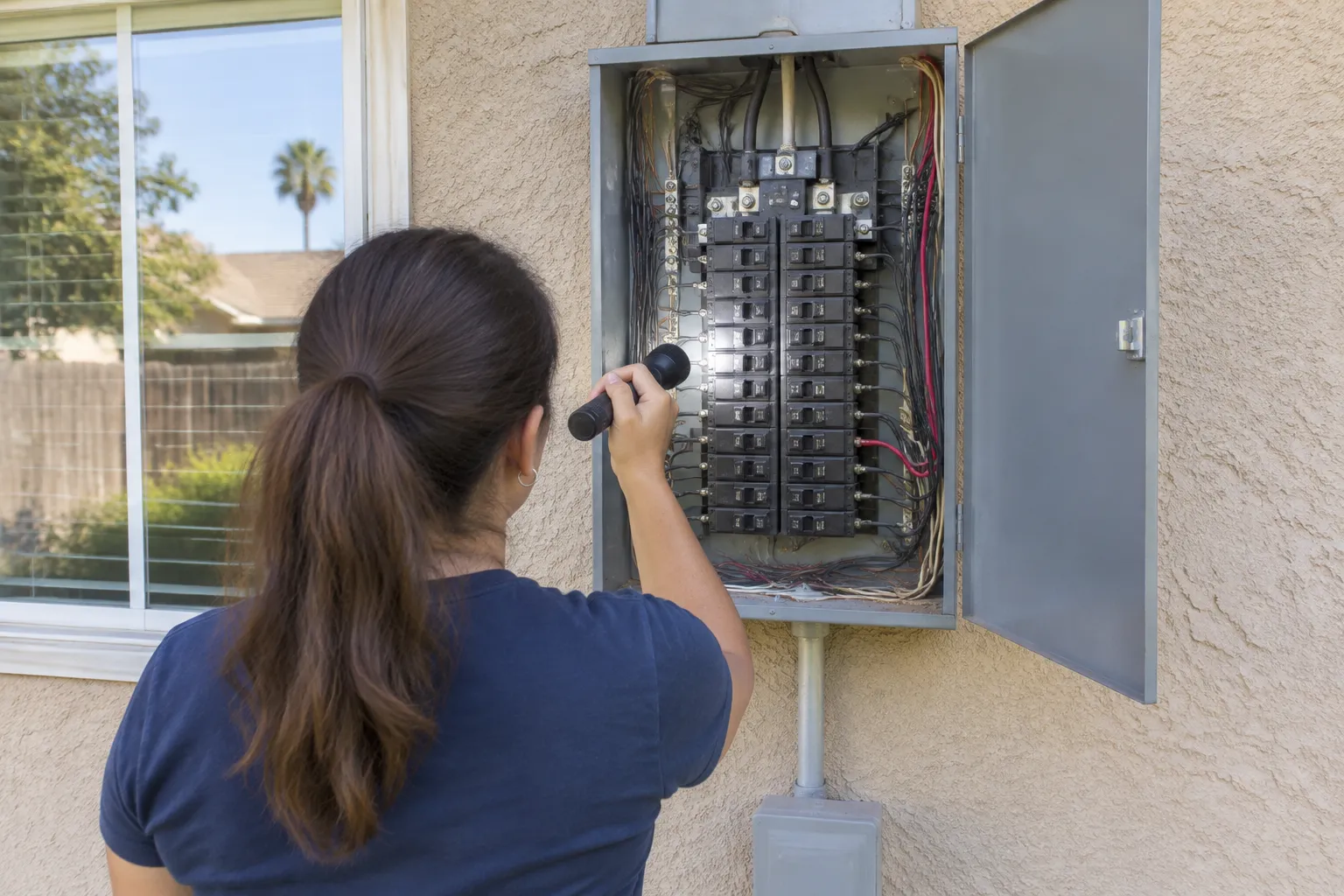
A residential electrical inspection is a check of a home's wiring and equipment against safety rules, and it can come from three sources. An electrician does a safety inspection you hire. A home inspector looks at the electrical system as one part of a house survey. The city or county inspects permitted work before it is signed off. They answer different questions, cost different amounts and are done by different people. National price guides put an electrical inspection at about $150 to $315, with details on the electrical inspection cost page. If you are weighing a home purchase, an older house or new work, this page helps you pick the right one.
What is the difference between a home inspection and an electrical inspection?
A home inspection is a general, mostly visual survey of the whole house, including a quick look at the panel, outlets and visible wiring. An electrical inspection by an electrician goes deeper into the electrical system only, and may involve testing, opening the panel and tracing circuits.
A home inspector reports what they can see and flags concerns. They are not acting as an electrical contractor, and they do not repair. If a home inspection report says "recommend evaluation by a qualified electrician," that is your cue for a focused electrical inspection. For houses with older panels, aluminum branch wiring, or knob and tube wiring, that second look often matters before you close.
| Home inspection | Electrician's safety inspection | City or county permit inspection | |
|---|---|---|---|
| Who hires | You | You | The permit holder |
| Scope | Whole house, visual | Electrical system, tested | Only the permitted work |
| Output | General report | Findings and quote for fixes | Pass, correction notice or sign-off |
| When | Buying or selling | Worries, older house, after storms | During and after new work |
What does a residential electrical inspection involve?
A thorough inspection covers the service and panel, grounding and bonding, branch circuits, receptacles and switches, ground fault and arc-fault protection, smoke and carbon monoxide alarm power, visible wiring and the condition of components. The inspector looks, tests, takes notes and gives you findings in writing.
A good checklist includes:
- Service and panel. Condition, labeling, breaker sizes against wire sizes, signs of heat or rust, working space in front of the panel. The electrical panel upgrade page explains clearances.
- Grounding and bonding. A proper connection to the grounding electrode, and bonding of metal piping where required.
- Ground fault protection. Ground fault circuit interrupter (GFCI) protection in kitchens, bathrooms, garages, exteriors, laundry areas and crawl spaces. See AFCI vs GFCI.
- Arc-fault protection. Where current code calls for it on bedroom and living area circuits.
- Receptacles and switches. Loose, warm, discolored or dead devices, open grounds, reversed polarity.
- Wiring methods. Splices outside boxes, damaged cable, extension cord wiring used as permanent wiring, and old cloth-covered wire.
- Alarms. Whether smoke and carbon monoxide alarms are present and powered as required. See the smoke detector electrician page.
- Exterior and outbuildings. Weatherproof covers, the detached garage feed, hot tub or pool circuits.
If something is flagged and you want it fixed, ask for the findings in writing and get quotes from local electricians.
What is considered a rough electrical inspection?
A rough electrical inspection happens after the wiring is installed in the framing but before the walls are covered. The inspector checks boxes, cable routing and protection, supports, wire sizes and connections while everything is still visible. It is also called a rough-in inspection.
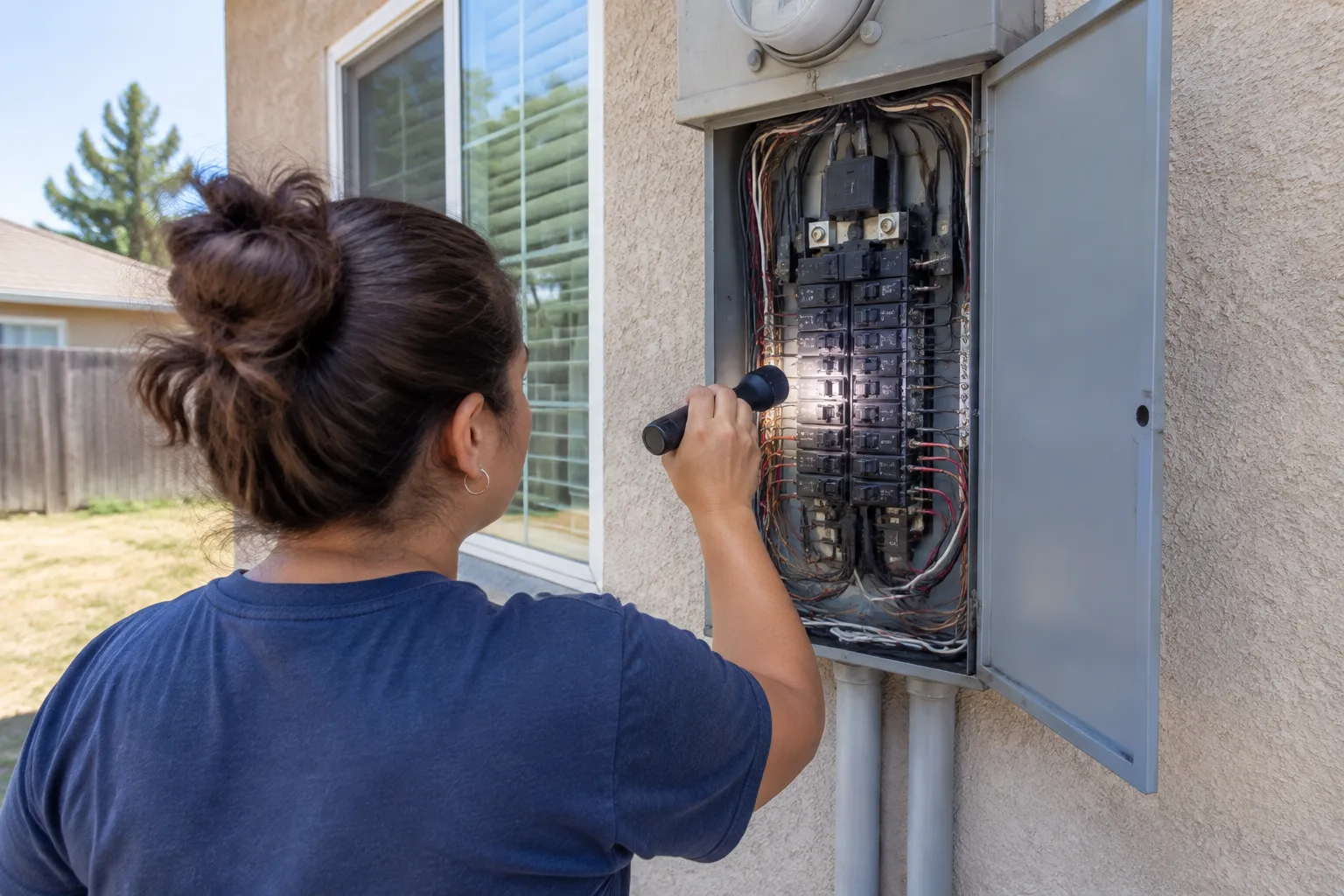
The rough-in checklist usually includes: box fill and secure mounting, cable stapled or supported at the required spacing, protection of cable where it passes through framing, correct wire gauge for each breaker, grounding conductors present, and the panel location and clearances. A final inspection comes later, after devices, covers and the panel directory are done. If the rough inspection fails, drywall waits.
A county or city can have its own inspection order, so use the one on your permit. Typical stages are underground or slab if any, rough, service or meter release, and final.
What do permit inspections look like in Stockton and San Joaquin County?
If you pull an electrical permit, the building department inspects the work. The City of Stockton covers houses inside city limits, and San Joaquin County covers unincorporated areas. Both use California's adopted electrical code, now the 2025 California Electrical Code, based on the 2023 National Electrical Code and effective January 1, 2026.
San Joaquin County states that installing, altering, replacing or repairing electrical services and systems requires a permit, including panel replacement, and the county takes applications through its online permitting system. The City of Stockton runs its own permit process. Rules, fees, forms and inspection scheduling are the city's, so confirm them with the city for a house inside Stockton.
For work done for you, the contractor normally pulls the permit and arranges the inspection. For panel and service work, PG&E may also need to reconnect power after the local inspection passes. Residential electrical panel upgrade has that sequence.
What affects the price of a residential electrical inspection?
Price depends on house size, how old the system is, whether the panel is easy to reach, and how deep the check goes. National price guides put a standard electrical inspection at about $150 to $315, a panel check at about $110 to $230, and a whole-house wiring inspection at about $220 to $490.
Extras such as infrared scanning, circuit mapping, or a written report for an insurer can add to the price. Your electrician's quote overrides any guide. The full table is on the electrical inspection cost page.
Which signs say you need a residential electrical inspection?
Get one when you are buying or selling an older house, when breakers trip, lights flicker, outlets are warm, or you smell burning near a device or panel. Also get one after a flood, fire, storm or surge, before a big addition, and when the house has aluminum wiring, a fuse box or what knob and tube wiring is.
If you smell burning plastic, see smoke, or a device sparks, do not wait for an appointment. Turn off the power at the panel only if it is safe to reach, leave the area and call 911. For a utility-side problem, call PG&E.
Who can do an electrical inspection in California?
Anyone can look at your wiring, but the person's role changes what the result means. A building department inspector signs off on permitted work. A home inspector gives a general survey. An electrician can inspect and then also fix what they find, which for work done for others requires a C-10 electrical license from the Contractors State License Board.
For an inspection you hire, ask what qualifications the person holds and what the report will include. How to choose an electrician lists what to ask.
Questions people ask
How long does a residential electrical inspection take?
A focused panel check can take under an hour. A full-house inspection of an average home commonly takes one to three hours, and longer for a large or older house or one with hard-to-reach panels and attic runs. The visit is quicker than the report, so ask when you will get the findings.
What should I ask before I hire someone for an electrical inspection?
Ask who does the inspection and what license they hold, what the scope includes, whether it is visual only or includes testing, what the report looks like, the price and whether it is credited toward repairs. Ask if they also do the repairs, and if so, get the repair quote separately.
Do I need to be home for the inspection?
Usually yes, or someone you trust should be. The inspector needs access to the panel, garage, attic and crawl space, and may need to shut off power for a short time. Tell them about pets, locked rooms and any known problems beforehand. For a permit inspection, an adult is typically needed on site.
Is there a statewide electrical inspection record in California?
Permitted work ends with a final inspection sign-off from the city or county that issued the permit. A home sale may involve disclosures and local rules, so ask the city or county what applies at sale. To get quotes from local electricians, use the quote form, or see a local Stockton electrician for how it works.
Sources used
Last changed