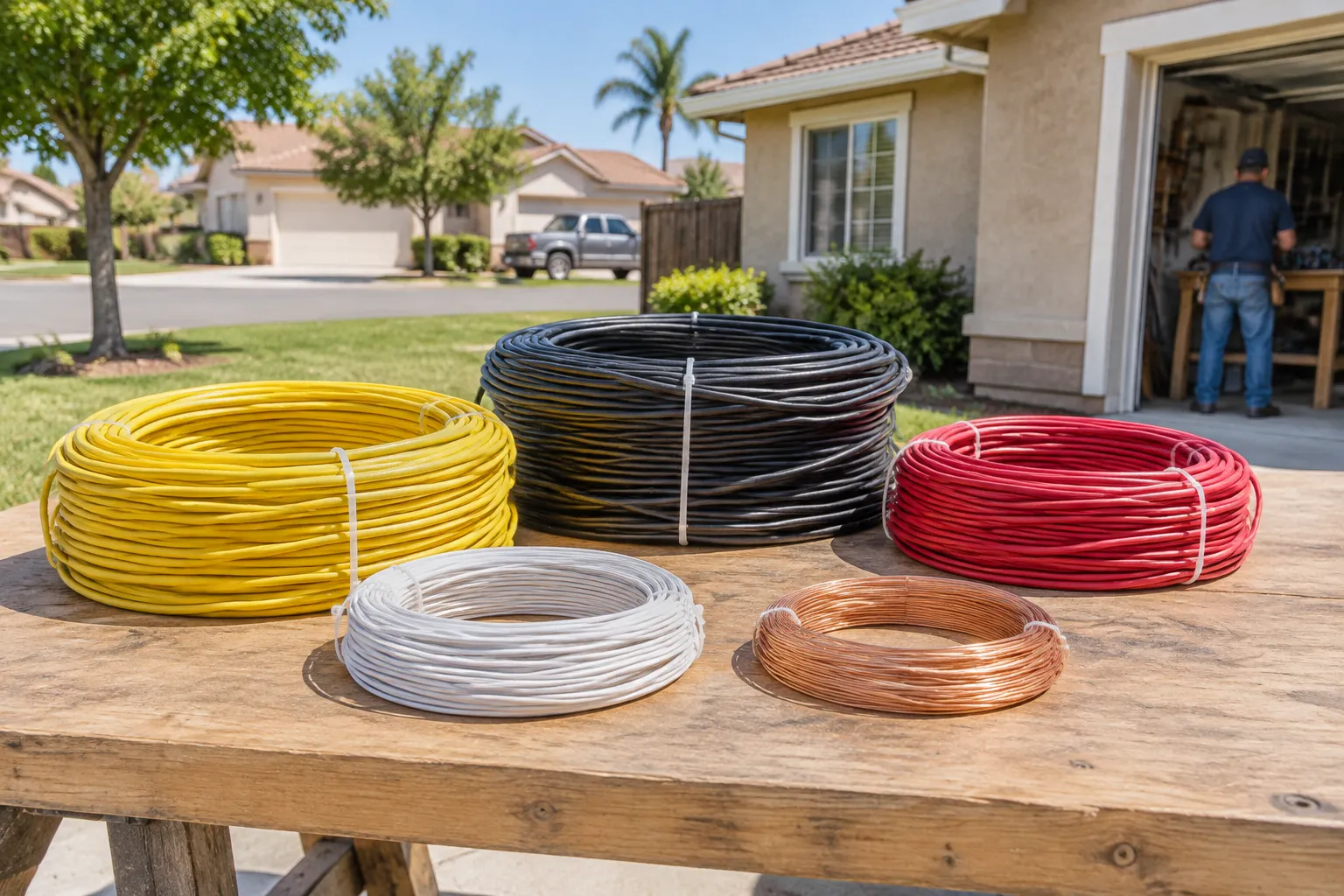
National price guides put a whole-house rewire at about $4 to $10 per square foot, which is roughly $6,000 to $16,000 for a 1,500 square foot house. Knob and tube replacement runs higher, about $8 to $20 per square foot, because of the access work. These are national guides, not Stockton quotes, and the written quote from a local electrician is the figure that counts. The wider picture is on the knob and tube wiring hub.
How much is it for an electrician to rewire a 1500 square foot house?
One published guide puts a 1,500 square foot house at roughly $6,000 to $10,000 with accessible walls and $10,000 to $16,000 with plaster or finished walls. That is a national figure, not a Stockton one. A one-story house with open attic access and a usable panel sits low in that range. A two-story house with plaster walls sits at the top.
The spread is wide because "rewire" covers different jobs. Replacing outlets and circuits on one floor costs far less than replacing every wire and the panel. Guides also differ in whether they include permits, patching and paint. When you compare quotes, compare what each one includes, not only the total. A low bid that leaves out wall repair, the permit or the panel is not a low price.
| Scope | Published range (guide) | Notes |
|---|---|---|
| General whole-house rewire | about $4 to $10 per sq ft, or $6,000 to $16,000 for a 1,500 sq ft house | Easier access, copper cable, no old-system removal; plaster sits at the top |
| Knob and tube replacement, whole house | about $8 to $20 per sq ft, or $12,000 to $36,000 | Extra access work and often plaster repair |
| Panel upgrade as part of the job | often added on top | See the panel costs page |
| Patching and paint | often extra | Plaster costs more than drywall |
What is the average cost to rewire a knob and tube house?
National price guides put the average whole-house knob and tube replacement between roughly $12,000 and $36,000, or about $8 to $20 per square foot. It costs more than a standard rewire because old wires must be traced, the walls and ceilings often need to be opened and plaster takes more skill to repair than drywall.
Replacement is often prompted by an inspection, an insurance request or a remodel. As generally reported, some insurers restrict coverage for houses with knob and tube, so the cost can be set against that. You can read about the risks in what is knob and tube wiring, and the job itself in wiring knob and tube replacing. If your house only has some knob and tube, partial replacement can cost much less, but the electrician must say in writing what remains.
What pushes the price of a rewire up or down?
Size, floors, access, wall type, panel condition and permit fees do most of the work. Labor is the largest share of a rewire, so anything that makes the cable harder to reach adds hours. Anything that lets the electrician run cable through open attic, basement or crawl space takes hours off.
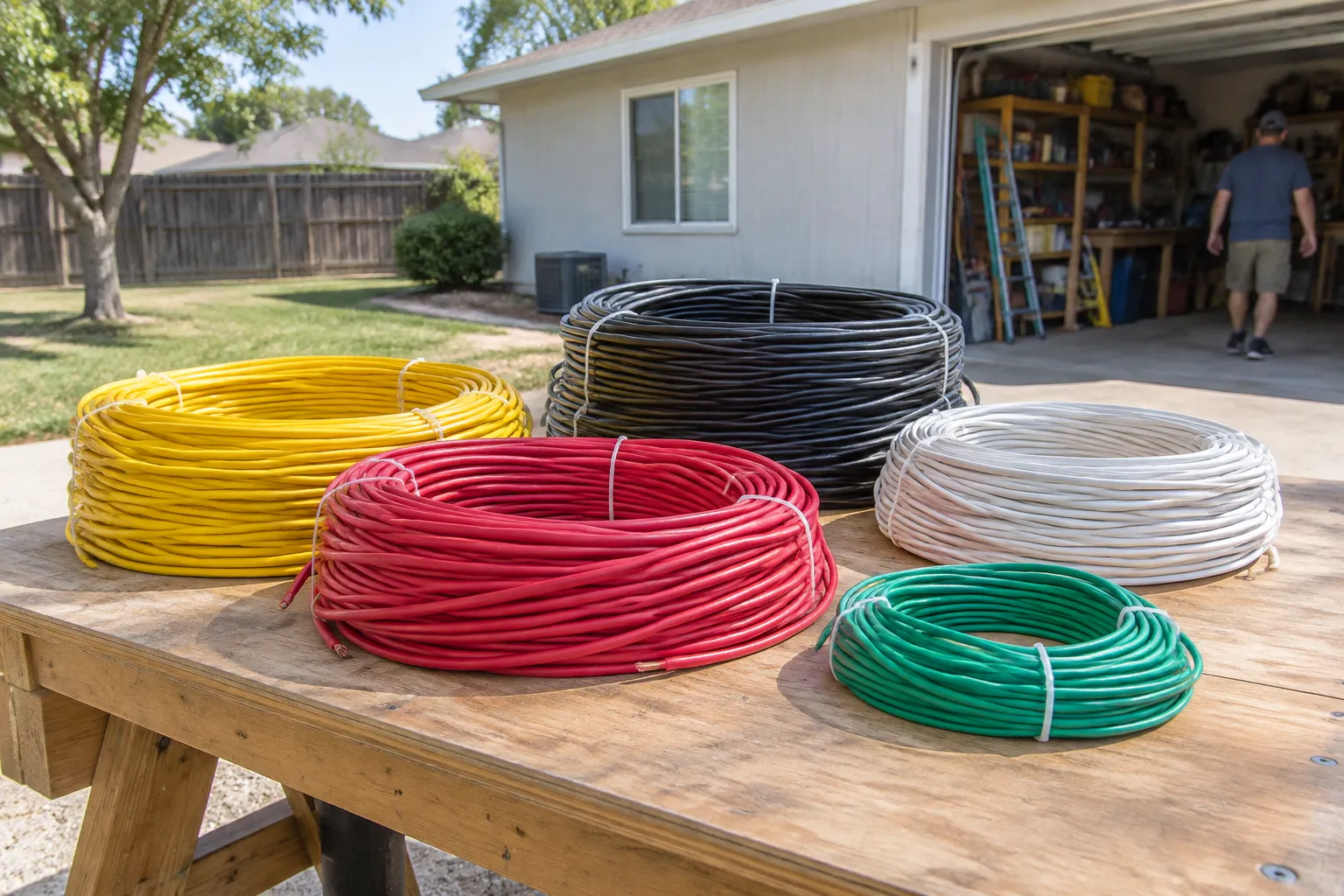
These are the factors to ask about:
- Access. Open attic and crawl space are cheap. Finished ceilings, tile and solid walls are not.
- Wall type. Plaster and lath cost more to open and repair than drywall.
- Panel. An old or full panel often needs replacing. Read about upgrading an electrical panel.
- Scope. Whole house, one floor, or a kitchen only. New circuits for modern loads add cost.
- Permits and inspection. San Joaquin County states that a permit is required to install, alter, replace or repair electrical services and systems, and the City of Stockton has its own permit process. Fees vary.
- Hidden conditions. Old splices, insulation and past amateur work can add time.
How often does a house need to be rewired?
There is no fixed age. Copper wiring in good condition with modern cable can last for many decades. A house usually needs rewiring because of the type of wiring it has, not its age. Knob and tube, aluminum branch circuits and damaged insulation are the typical triggers, along with remodels that change the loads.
Stockton homes vary. The Census Bureau's 2024 five-year survey puts the median build year at about 1980, so many houses have copper cable with a ground wire already. Others, in older neighborhoods, may have older systems in parts of the house. Never assume. An inspection tells you. If you have aluminum wiring, read electrical wiring wire for the types and the fixes, which are not always a full rewire.
Is it worth rewiring an old house?
It often is when the wiring is knob and tube, aluminum or damaged, or when you plan a remodel, a sale or heavy new loads. It is often not needed when the existing copper cable is in good order. The benefits are fewer fire risks, grounded outlets, capacity for modern appliances and fewer problems with insurers and buyers.
The cost is real and the work is disruptive, so get an electrician's written report first, then two or three quotes. If the report says the wiring is serviceable, you may only need targeted repairs, such as replacing a few circuits or adding ground fault protection. For part-house fixes, see outlet and switch electrician.
How much does it cost to rewire a kitchen?
There is no reliable published Stockton figure, and the answer depends on whether you mean new circuits for appliances, new outlets or a full gut. Kitchens have the most circuits per square foot. Ask each electrician to price it by circuit, with the permit and any panel work shown separately, then compare.
Can I rewire my own house?
California homeowners can sometimes pull a permit for work on their own home as owner-builders, but the work has to meet the California Electrical Code and pass inspection. Whole-house rewiring is not a first project. Mistakes in walls cause fires, and a failed inspection means redoing the work. California law requires electrical work for others to be done by a contractor holding a C-10 electrical license from the Contractors State License Board. Do not pay anyone who says a permit is not needed.
How do you compare rewire quotes?
Ask for written quotes from at least two or three local electricians, each stating the scope circuit by circuit, whether the panel is included, who pulls the permit, who patches and paints, the start date and duration, and the payment schedule. Check each C-10 license number on the board's website. Send details through the price request form and see how it works.
Questions people ask
How long does a house rewire take?
A whole-house rewire usually takes from several days to a couple of weeks of electrical work, and the patching and painting afterward add more. Smaller houses with open access are faster. The electrician should give you a schedule, and the inspector will check the work at rough-in and final.
What should I ask before I hire someone to rewire a house?
Ask for the C-10 license number and check it. Ask who pulls the permit, whether the panel, patching and paint are in the price, how the power will be handled during the work, what happens if hidden problems appear and how the payments are staged. Get all of it in writing.
Do I need to be home during a rewire?
Not all the time, but someone should be there for access at the start, for decisions about where walls will be opened and for the final walkthrough. Many owners leave during the day if the electrician has a key and a plan. Tell the electrician about pets and any medical equipment that needs power.
Does rewiring a house add value?
It can help a sale, because buyers and insurers often flag old wiring, but it does not usually return its cost in resale price. The gain is mainly safety, capacity and fewer objections from insurers and buyers. An agent or appraiser can tell you how local buyers treat it.
Can a house be rewired without removing drywall?
Often much of it can. Electricians fish new cable through attics, basements and crawl spaces and make small access holes to patch afterward. Finished ceilings, firestops and plaster make it harder. Ask each quote where walls will be opened and who repairs them. Looking for a local Stockton electrician to quote it starts with the form above.
Sources used
Last changed