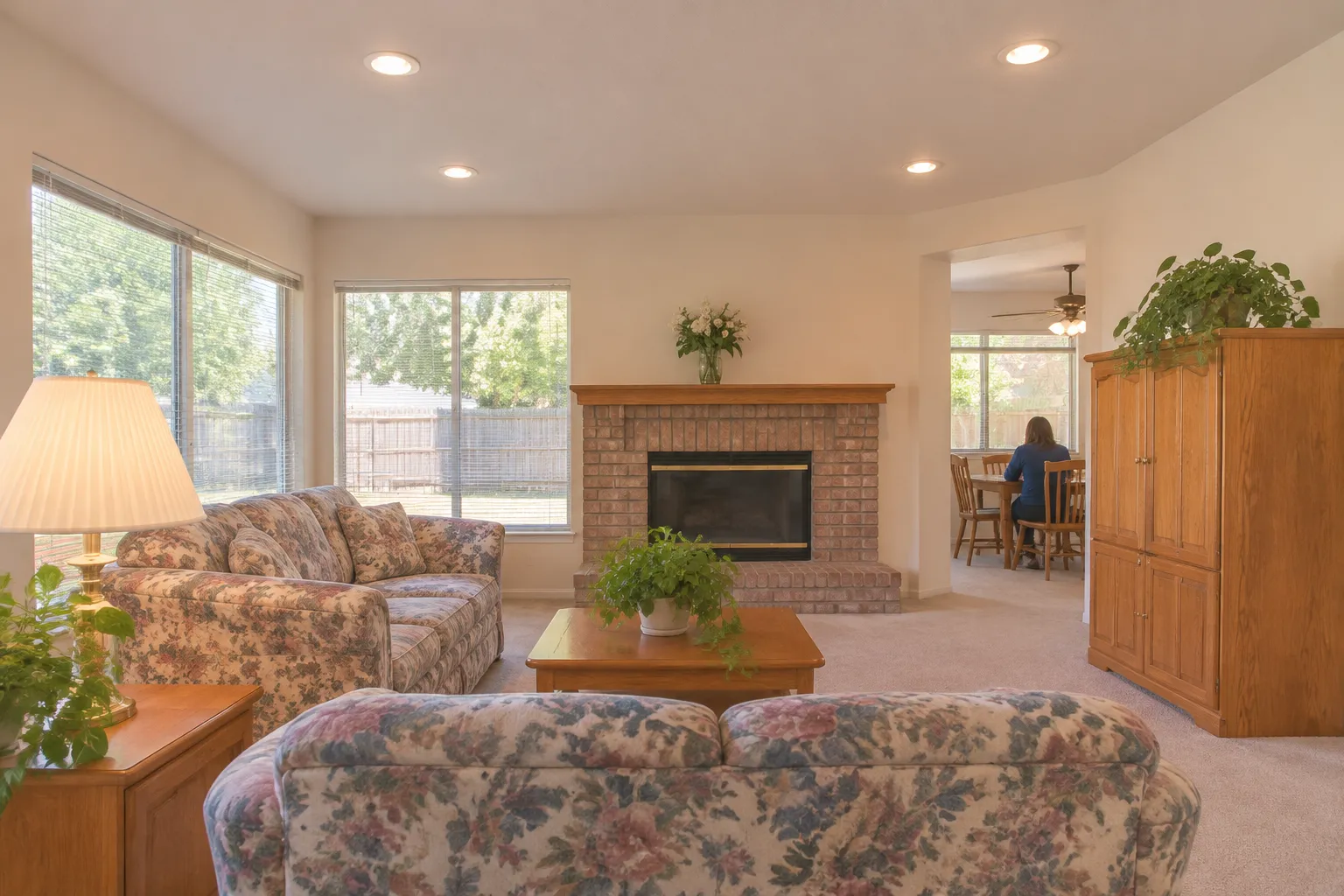
To install recessed lighting in an existing ceiling, you pick a spot between joists, cut a round hole, run cable from a switch or nearby power, connect it to a housing or a canless light, push the light up into the hole and test it. The wiring is the hard part, not the hole. This guide covers each step, the choices that change the job, and where a Stockton homeowner should stop and call a local electrician. It is one part of our guide to lighting, fans and fixtures.
What is needed to install recessed lighting?
You need lights rated for your ceiling, cable and connectors, a stud finder, a hole saw or drywall saw, a voltage tester, wire strippers and a fish tape. You also need access to the space above the ceiling or a plan to cut and patch the drywall. Most of the cost sits in labor and wire runs, not the lights themselves.
Before you buy anything, check four things:
- What is above the ceiling. Attic, second floor, ductwork, pipes and insulation all change the housing you can use.
- Where the joists run. Lights must sit between them, and the spacing sets how many fit in a row.
- Where the power comes from. A nearby switch box or ceiling box feeds the first light, and the rest follow.
- How many lights the circuit can carry. Lights are low load, but a circuit that already feeds outlets can still be too busy.
Plan the layout on paper first. Most rooms look best with lights placed a few feet from walls and evenly spaced. Measure twice and mark every hole before you cut one.
How do I install recessed lighting in an existing ceiling?
Cut power at the breaker, then confirm with a voltage tester. Mark the centers, drill a small pilot hole to check for joists and pipes, and cut the hole to the size on the template. Run cable from the power source to each hole, connect the housing or light, push it into the ceiling until the clips grab and turn the power back on to test.
The details differ by type. Remodel housings sit inside a can that clips to the drywall. Canless wafer lights have a thin LED disc and a small junction box that you pull through the hole and clip in place. Wafers are easier in a cramped attic, and they are what most installers choose for retrofit work today. Either way, each light needs a proper connection inside a box or the manufacturer's built-in compartment, not loose splices in the attic.
Running the cable is where the job grows. In a one-story house with an attic, you pull cable across the top of the joists. With a finished floor above, you may have to cut access holes in the drywall and patch them. In a vaulted ceiling you may not be able to do it from above at all.
What is the difference between canless, remodel and new-construction recessed lights?
Canless (wafer) lights are thin LED discs that fit in a hole and need almost no space above the ceiling. Remodel housings are cans that install from below through the hole. New-construction housings mount to joists before drywall goes up. In a finished home, you choose between canless and remodel, and the space above the ceiling usually decides.
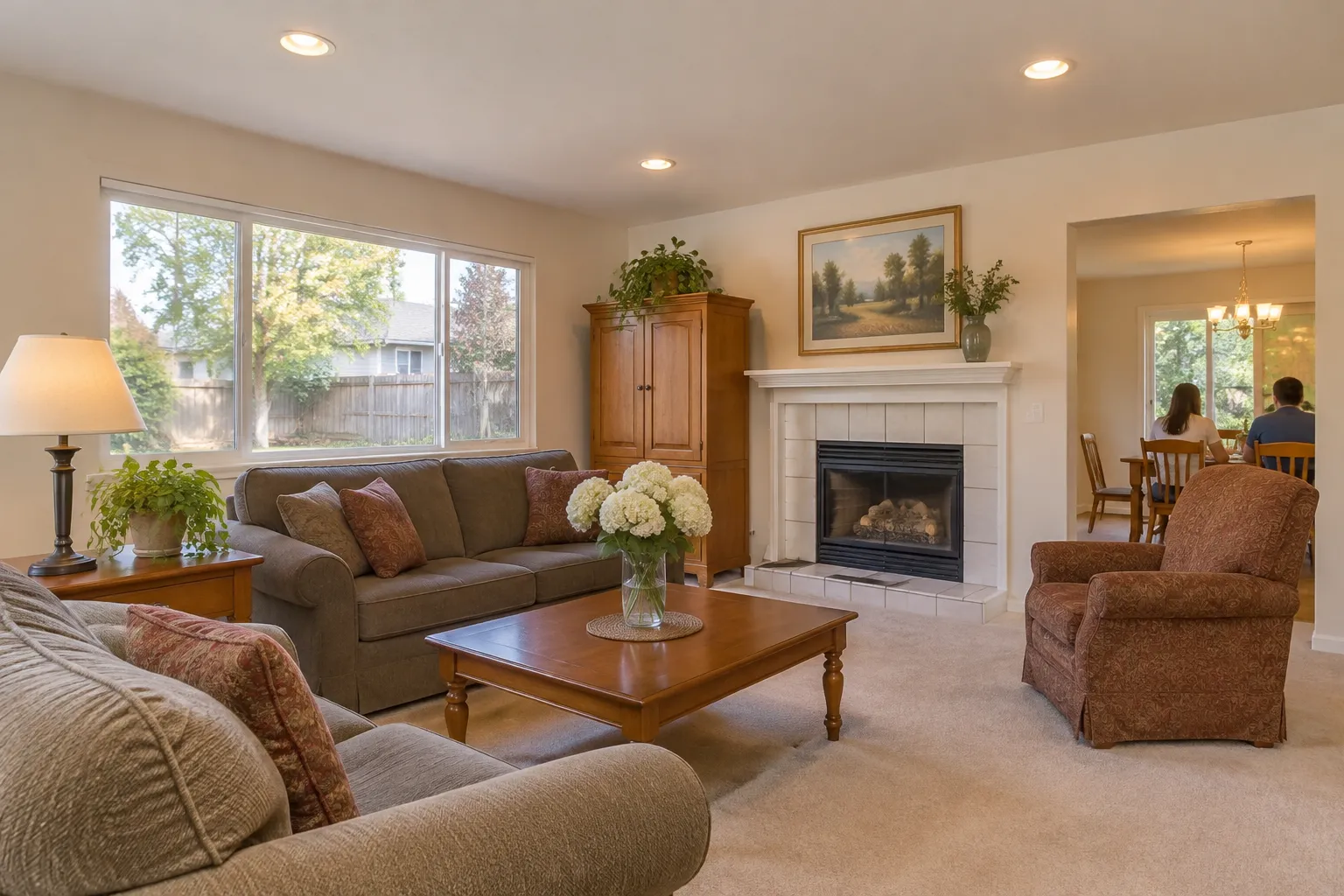
If the ceiling is insulated, look for lights that say IC on the label, meaning they are rated for direct contact with insulation. In California, the Energy Code also sets rules for recessed downlights in homes: they must be rated for insulation contact, sealed against air leakage and use high-efficacy LED sources, with no screw-in sockets. Check the box and the manufacturer's listing before you buy, and ask the local building department if you are unsure. The same Energy Code summary applies whichever brand you choose.
Brand-specific searches, such as for particular lines of housings, come down to the same checks. Read the instruction sheet for hole size, minimum clearance and maximum bulb or module wattage, because it is printed on the light.
Can I install recessed lighting in a drop or suspended ceiling?
Yes, and it is often easier. A drop ceiling has tiles you lift out, so you can run cable above the grid and mount lights without cutting drywall. Use lights made for suspended ceilings, which clip to the grid or the tile, and support the cable properly. Some lights replace a whole tile. The wiring rules are the same as anywhere else.
Look for a tile light or a grid-mounted housing and read its weight rating. Never rest the fixture on thin tile alone. Cable above the grid should be clipped to structure, not laid over tiles. If the space above is a plenum for air handling, special rules apply to the type of cable, so ask the local building department or an electrician before you pull any.
Can I install recessed lighting myself?
Yes, on your own home, if you are comfortable with the wiring and you handle the permit question properly. California law requires a C-10 electrical contractor for work done for others above $1,000 in labor and materials, or when a permit or hired workers are involved. A homeowner doing the work personally is a separate case, and you should confirm the rules with the City of Stockton Building Division.
Be honest about the limits. Adding lights usually means adding wiring, and new wiring in many cities calls for a permit and an inspection. If you do not know how to find out whether power is off, how to join cable properly or how to place a light so it avoids a joist, hiring is the better plan. A mistake in the attic can sit unseen for years.
You can still do part of the work: choose lights, plan the layout and ask local electricians to quote the wiring. To see numbers, read the recessed lighting installation cost guide.
What does a local electrician do differently?
An electrician checks the circuit load, finds the safest cable route, pulls permits where the city requires them, and tests each light under load. They also know how to cut and patch the ceiling cleanly. They can add a dimmer that matches the LED you choose. If you hire, ask what is included, such as patching and paint, so you can compare quotes.
Dimmers are a classic source of trouble. A dimmer that is not made for LED lights can make them buzz or flicker. If that happens afterward, see flickering lights to sort bulbs and dimmers from wiring faults. If you are weighing several people, read how to choose an electrician.
How do I fix recessed lights that flicker?
Start with the cheap causes: a loose bulb or module, and a dimmer that does not match the LED. Swap in a dimmer rated for LED loads and check that every connection is tight. If one light flickers, the fault is likely local. If every light on the circuit flickers, the fault may be a loose neutral connection, and that is a job for an electrician.
Never test by touching live wires. Switch the circuit off first. If a fixture is hot, smells of burning or shows scorch marks, leave it off and call a local electrician. For anything that looks like fire, call 911.
Questions people ask
How long does recessed lighting installation take?
One light on an easy attic run can take a couple of hours. A room of four to six lights often takes most of a day for an experienced installer, longer if the ceiling is finished above or the wiring is old.
What should I ask before I hire someone for recessed lighting?
Ask whether the quote covers all lights, the dimmer, the permit and patching the ceiling. Ask who holds the C-10 electrical license on the job, and ask for the price in writing. Ask how many lights fit the circuit and whether the lights are rated for your ceiling insulation. Compare at least two quotes.
Do I need to be home for recessed lighting installation?
Usually yes, at least at the start and the end. The electrician needs to walk the rooms, get access to the attic or the space above, and show you the finished lights. Plan for the power to be off to part of the house for part of the day, so move anything that needs constant power.
Do recessed lights need a permit in Stockton?
Often yes when new wiring is added, because most cities treat new circuits or new fixture locations as permit work. A simple like-for-like swap may not need one. Check with the City of Stockton Building Division before you start, or ask the electrician who quotes whether the price includes the permit.
To compare prices for your own ceiling, ask a local Stockton electrician to quote the work.
Sources used
- Contractors State License Board: handyperson exemption rises to $1,000 (AB 2622, December 2024)
- Published 2025 and 2026 homeowner price guides for recessed lighting installation
- Energy Code Ace, residential luminaire requirements, 2022 Energy Code
Last changed